Table of Contents
ToggleUzbekistan Travel Guide 2026: What Makes This Trip Different
This Uzbekistan travel guide 2026 is based on my first-hand experience exploring the Silk Road at a slower, more meaningful pace.
It wasn’t trending on my feed, and I didn’t know many people who had been there. But something about it kept pulling me in — the history, the Silk Road stories, the feeling that it was still quietly itself.
From the moment I arrived, I realized this wasn’t a destination you rushed through. Uzbekistan moves at its own pace. Cities feel lived-in rather than staged, and history isn’t locked behind glass — it’s part of daily life.
For first-time visitors, especially in 2026, Uzbekistan offers something rare: depth without crowds, culture without performance, and travel that feels meaningful rather than overwhelming.
This guide isn’t about ticking off landmarks. It’s about experiences — the moments that helped me understand why the Silk Road mattered, and why Uzbekistan still holds that sense of connection today.
Walking Through Registan Square at Golden Hour
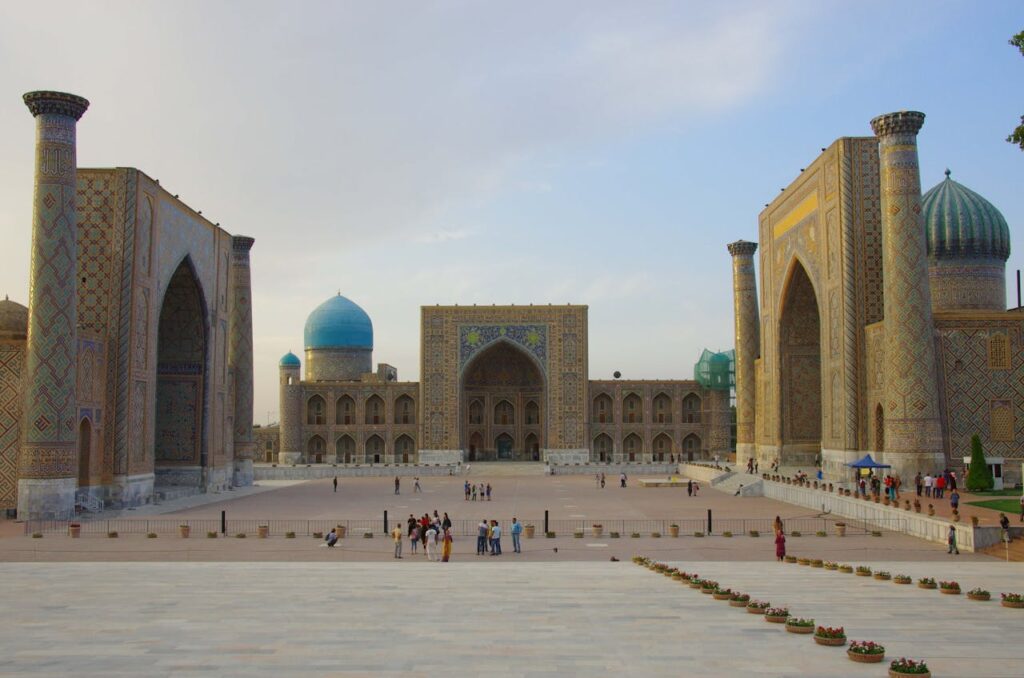
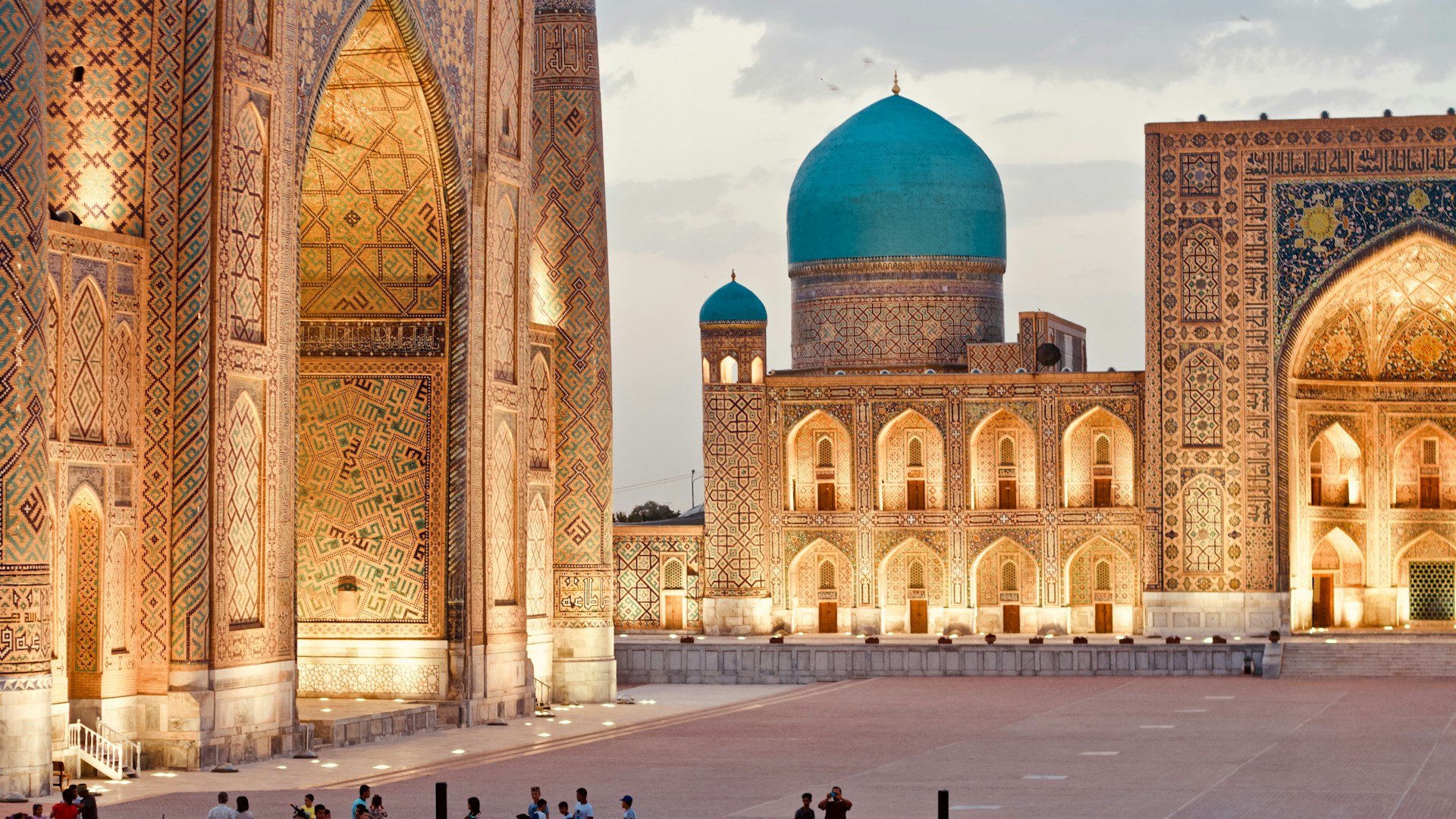
Registan Square is one of those places that instantly humbles you. No matter how many photos you’ve seen, standing there in person feels different — quieter, heavier with history.
As the sun begins to set, the three madrasahs glow in soft gold and blue tones. Locals sit along the edges, couples stroll slowly, and the square feels less like a monument and more like a shared living space.
Golden hour is when Registan truly comes alive — not with noise, but with presence.
If you’re planning to visit during quieter months, traveling outside peak season makes moments like this even more special. This guide on off-season digital nomad travel explains why timing matters.
UNESCO Silk Road heritage sites
Exploring Samarkand’s Old City
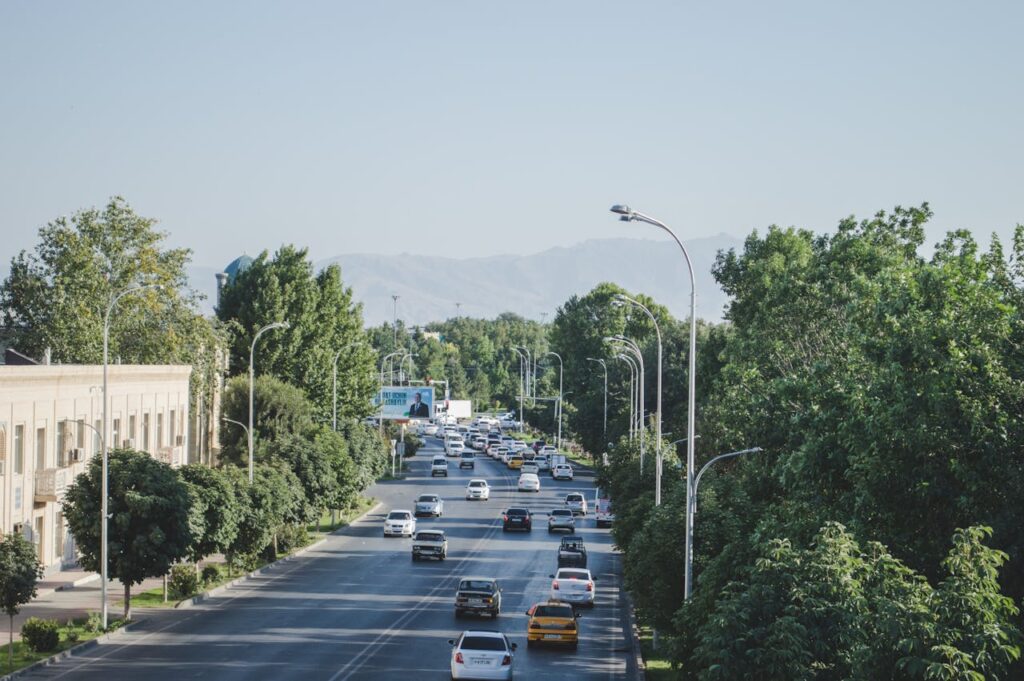
Samarkand’s Old City felt less like sightseeing and more like being invited into everyday life.
I wandered without a plan, turning down streets simply because they looked interesting. One moment I’d pass a small mosque, the next I’d smell fresh bread coming from a nearby home.
Nothing here felt staged. Life just… continued around me.
That’s what made it special.
Getting Lost in Bukhara’s Historic Center
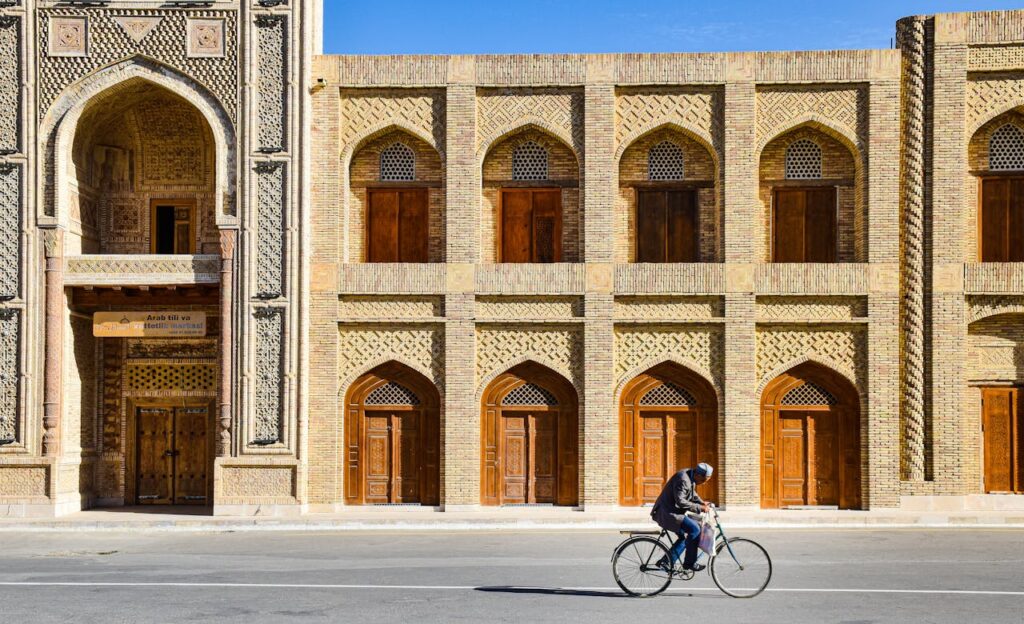
Bukhara instantly felt more intimate to me than Samarkand.
The historic center is compact, easy to explore on foot, and full of quiet corners. I found myself walking slowly without realizing it — stopping for tea, watching shopkeepers chat, listening to the sounds echo through narrow lanes.
I got lost more than once, and honestly, I didn’t mind at all.
Visiting Khiva’s Walled City
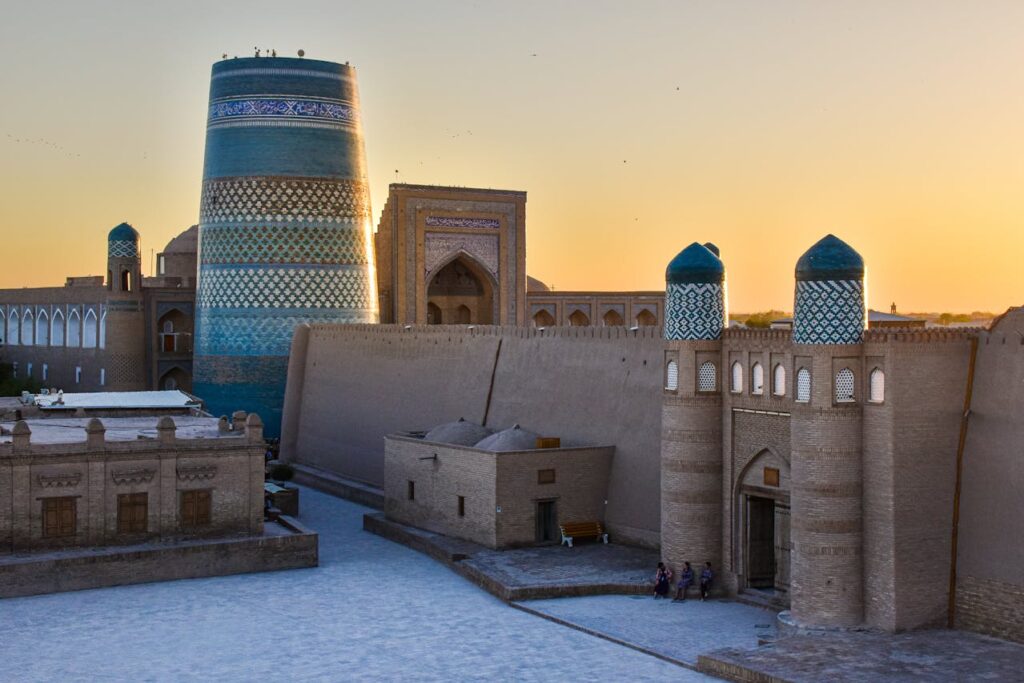
Walking through the gates of Ichan Kala, everything slowed down. The thick walls, the minarets, the narrow streets — it all felt preserved, but not frozen.
I stayed until evening, and once the crowds faded, the city felt almost magical. Quiet. Still. Timeless.
That nighttime calm was one of my favorite moments in Uzbekistan.
Riding the Silk Road Train Routes
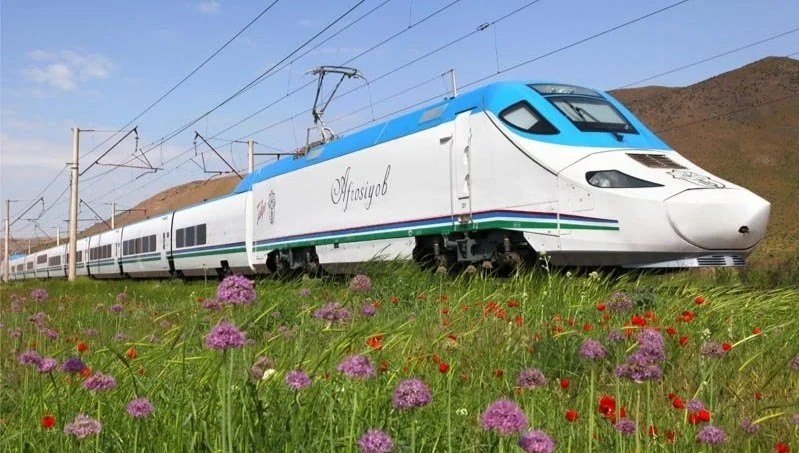
For first-time travelers, this Uzbekistan travel guide 2026 wouldn’t be complete without mentioning the Afrosiyob train. One thing I didn’t expect was how easy it would be to move between cities.
The Afrosiyob high-speed train made traveling between Samarkand, Bukhara, and Tashkent surprisingly comfortable. In just a few hours, I’d go from one historic city to another — without stress.
It made slow travel feel effortless, even while covering long distances.
Tasting Traditional Uzbek Cuisine

Meals in Uzbekistan were never rushed.
Plov showed up everywhere, and every place insisted theirs was the best. Meals were filling, comforting, and always shared — usually with more food than I could finish.
Bread was everywhere, tea was constant, and refusing seconds felt almost impossible.
Food here wasn’t just about eating. It was about connection.
Staying in a Local Guesthouse
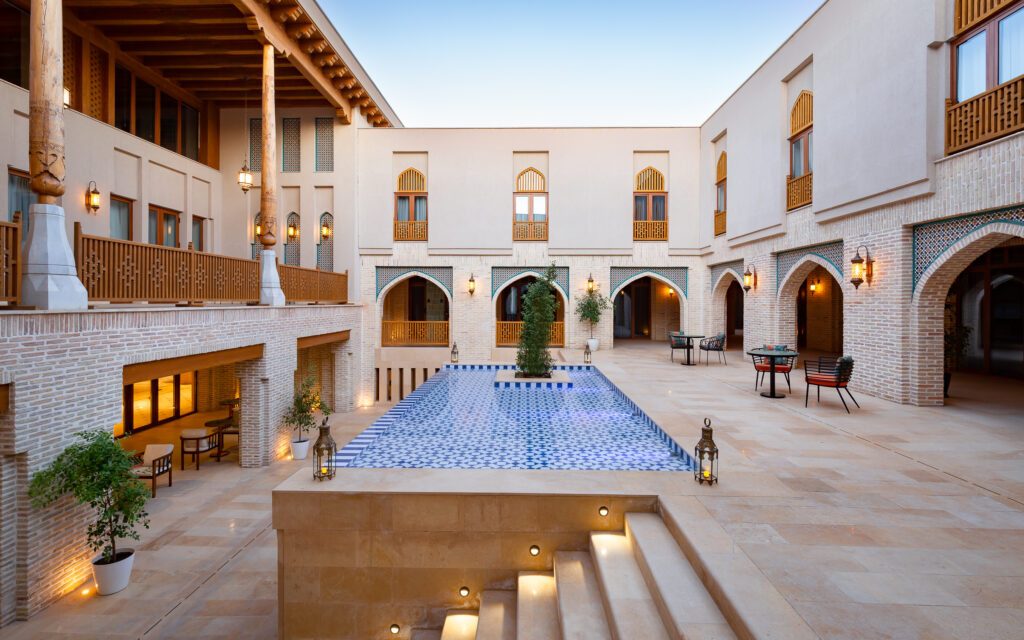
Staying in a local guesthouse completely changed my experience.
The rooms were simple, but the warmth wasn’t. Hosts checked in often, shared advice freely, and made sure I never left hungry.
It felt less like accommodation and more like being temporarily adopted.
If I returned, I wouldn’t stay anywhere else.
Experiencing Uzbek Hospitality
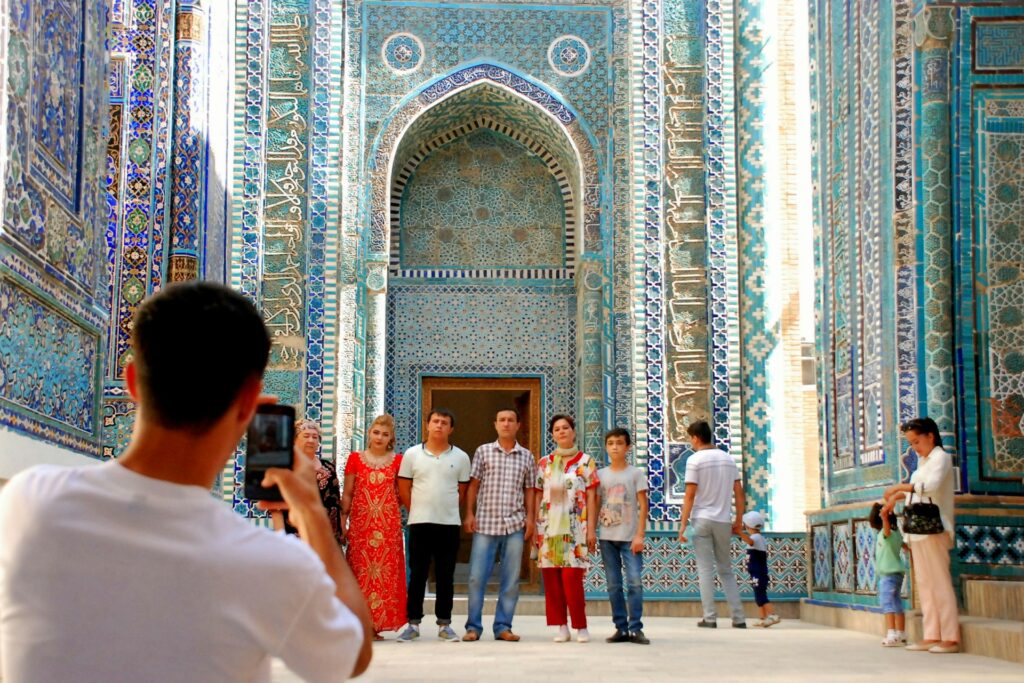
Uzbek hospitality is quiet, natural, and incredibly genuine.
I was offered tea more times than I can count — by shopkeepers, hosts, and even strangers. Conversations didn’t always need words. Smiles did most of the work.
These moments weren’t planned, but they’re what stayed with me the longest.
Practical Tips for First-Time Visitors
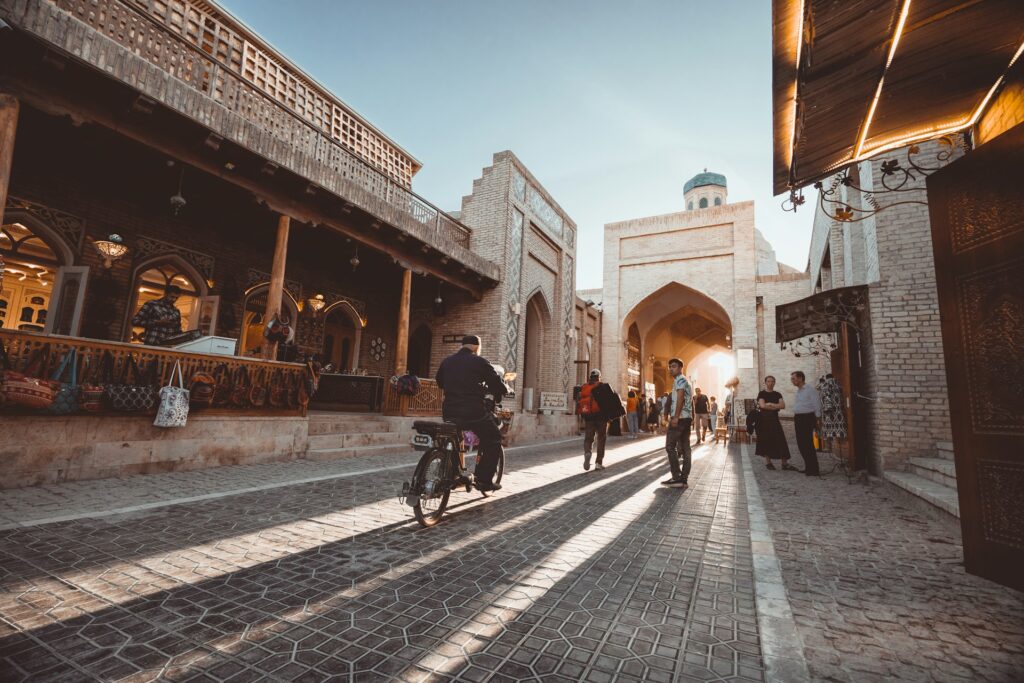
If you’re planning your route, a flexible Uzbekistan itinerary for 7 days works well for Samarkand, Bukhara, and Khiva without rushing.
Cash is still widely used, modest dress is appreciated, and learning a few simple words makes a real difference. Wi-Fi exists but isn’t always fast, so having a local SIM helped.
Most importantly, I felt safe everywhere I went — people were helpful, patient, and welcoming.
Uzbekistan Trip Cost in 2026 (Rough Budget)
Budget traveler: $30–45/day
Mid-range: $50–80/day
Trains between cities: affordable & reliable
Guesthouses: great value for solo travelers
FAQ – Uzbekistan Travel in 2026
Is Uzbekistan safe for tourists in 2026?
Yes, Uzbekistan is considered safe for solo and first-time travelers, with welcoming locals and low violent crime.
How many days are enough for Uzbekistan?
7–10 days is ideal for Samarkand, Bukhara, Khiva, and Tashkent.
Is Uzbekistan expensive to visit?
No, Uzbekistan remains affordable in 2026 compared to Europe and East Asia.
Is Uzbekistan Worth Visiting in 2026?
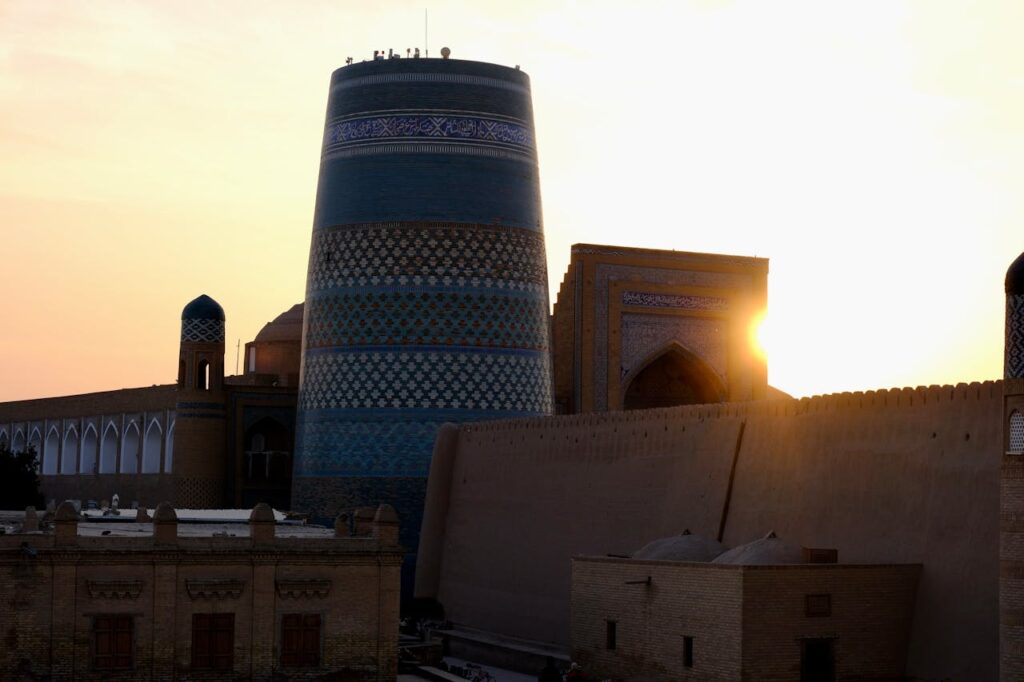
This Uzbekistan travel guide 2026 isn’t about rushing highlights, but about letting the Silk Road unfold naturally. Looking back, Uzbekistan stayed with me in ways I didn’t expect.
It wasn’t just the architecture or the history — it was the calm rhythm of daily life, the generosity of strangers, and the feeling that travel didn’t need to be rushed to be rewarding.
Uzbekistan in 2026 still feels authentic. It’s easy to move through, affordable to stay in, and welcoming in a way that feels genuine. If you’re visiting for the first time, give yourself time. Walk more. Plan less. Let the experience unfold naturally.
Some places impress you while you’re there.
Uzbekistan stays with you long after you leave.