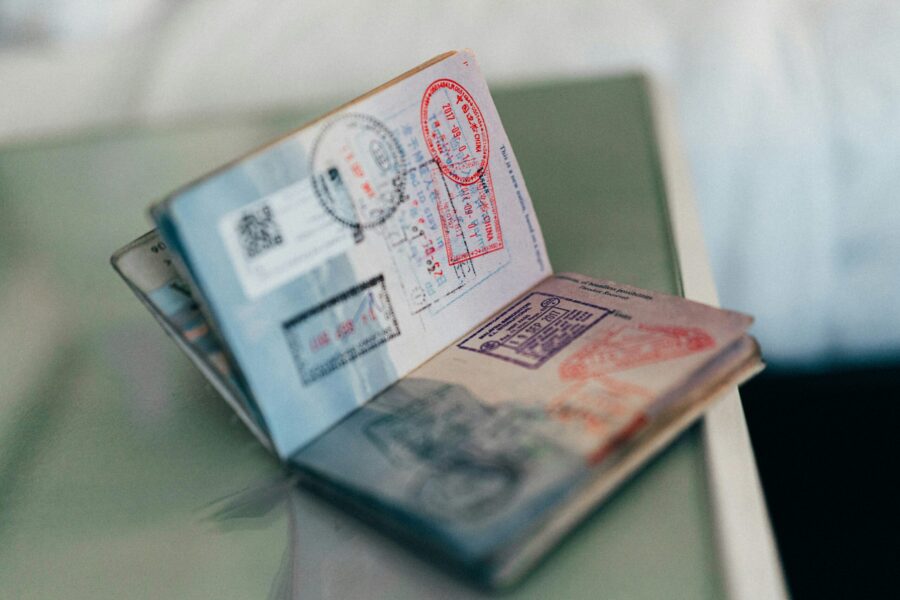
Off‑season travel for digital nomads unlocks the holy grail of remote work: lower costs, zero queues, and authentic local culture—without sacrificing Wi‑Fi or community.

For remote workers, **off-season travel for digital nomads** offers a rare combination of lower living costs, quieter work environments, and stronger connections with local communities compared to peak tourist seasons.
Table of Contents
Toggle1. Why Off-Season Travel for Digital Nomads Beats Peak Season
1.1 Save 30–60 %—and Sometimes More
Accommodation hosts slash rates to fill empty rooms; airlines discount seats to balance load. A 2024 Skyscanner study found an average 37 % price drop on European city stays from October to March.
1.2 Avoid Tourist Overload
Fewer selfie sticks means shorter lines, quieter cafés, and locals who actually have time to chat. If you run an online business, that peace equals focus.
1.3 Easier Networking
Ironically, nomad‑dense hotspots can feel isolating in high season. Off‑season, co‑working memberships slim down, making it easier to bond with the core community that lives there year‑round.
1.4 Visa Timing Advantage
If you plan to stay beyond short tourist limits, consult our complete ultimate guide to digital nomad visas to understand residency options during off-season travel for digital nomads.
For nomads planning longer stays, this cost advantage compounds quickly—especially when combined with strategies from our guide on full-time travel on a budget
2. What Counts as Off-Season Travel for Digital Nomads?
Low Season – traditionally poor weather or post‑holiday lull
Shoulder Season – short windows between high and low: usually best mix of mild climate + deals
Micro Off‑Seasons – local festivals end or school terms resume (e.g., Barcelona in late January)
Rule of Thumb: If hotel occupancy drops below 60 %, you’re in off‑season territory.
Weather Myths Busted
Rainy season ≠ constant rain. In Chiang Mai, downpours last an hour then skies clear.
Winter in southern Europe still gives you 10–15 °C days—plenty for café work.
3. Month-by-Month Off-Season Travel Destinations for Digital Nomads
Below is a 2‑minute reference table followed by in‑depth profiles.
| Month | Destination | Avg. Temp (°C) | Wi‑Fi Speed | Why It Rocks Off‑Season |
|---|---|---|---|---|
| Jan | Algarve, Portugal | 15 | 150 Mbps | Mild winter, empty beaches |
| Feb | Canary Islands | 20 | 120 Mbps | Shoulder season sun for EU nomads |
| Mar | Marrakech & Essaouira | 22 | 60 Mbps | Pre‑Ramadan calm, vibrant culture |
| Apr | Oaxaca, Mexico | 25 | 90 Mbps | Post‑spring‑break deals & festivals |
| May | Japan (Kyoto, Osaka) | 23 | 200 Mbps | After cherry‑blossom crowds leave |
| Jun | Chiang Mai, Thailand | 29 | 100 Mbps | Lush “green” scenery, big discounts |
| Jul | Cusco & Sacred Valley, Peru | 15 | 50 Mbps | Dry season, fewer trekkers post‑Inca Trail rush |
| Aug | Bali, Indonesia | 27 | 60 Mbps | Between summer crowds & Aussie holidays |
| Sep | Puglia, Italy | 26 | 80 Mbps | Sea still warm; Italians back at work |
| Oct | Budapest, Hungary | 14 | 250 Mbps | Cafe culture + fall colors |
| Nov | Da Nang, Vietnam | 26 | 70 Mbps | End‑of‑monsoon sunshine; cheap condos |
| Dec | Medellin, Colombia | 24 | 100 Mbps | “City of Eternal Spring” pre‑holiday lull |
➡️ [Skyscanner’s 2025 travel report]
➡️ [WeatherSpark] for year-round climate charts
➡️ [SafetyWing Nomad Insurance]
January — Algarve, Portugal
Climate: Sunny 15 °C days; evenings cool but rarely icy.
Co‑working: Lagos Digital Nomads hub offers €150/month hot‑desk memberships.
Cost Snapshot: One‑bed apartment outside Lagos marina drops from €1,200 in July to €650.
Must‑try: Cliff‑top boardwalk from Praia do Camilo to Ponta da Piedade—no tour groups in sight.
Pro Tip: Combine with a side trip to nearby Seville or Faro for €9 FlixBus rides.
February — Canary Islands (Gran Canaria & Tenerife)
Why February? Post‑Christmas, pre‑Easter gap. Temperatures hover at 20 °C.
Best Base: Las Palmas’ “Nomad City” quarter near Playa de Las Canteras.
Wi‑Fi Hack: Island telecos run fiber to most Airbnbs (150 Mbps). For backup, buy a DIGI mobile eSIM.
Community: Monthly meetup calendars on Slack (#nomadcity) feature 15–20 events instead of 200+ in November—great for deeper convos.
4 How to Choose Your Personal Off‑Season Base
Choosing the right destination for **off-season travel for digital nomads** means balancing reliable Wi-Fi, visa rules, weather patterns, and access to a year-round remote work community.
Define Work Requirements
Latency‑sensitive job? Stick to cable/fiber destinations (Budapest, Osaka).
Need same‑time‑zone client calls? Match continent or pick overlap hours.
Balance Weather & Wellness
A bit of rain saves money, but constant storms drain motivation. Use WeatherSpark’s climate graphs before booking.Visa & Tax Logistics
Morocco and Thailand offer 90‑day stamps on arrival for many passports.
Check double‑taxation treaties if staying 183+ days.
Community Density
Off‑season shouldn’t feel lonely. Search Facebook “digital nomads + city name” groups; aim for 5k+ members.Health & Safety
Fewer tourists can mean fewer English‑speaking doctors. Pack tele‑medicine subscriptions (e.g., SafetyWing’s Remote Doctor).
5 Productivity & Lifestyle Tips for Shoulder Months
Adopt a “Rain‑Window” Schedule
Work during afternoon showers; explore once skies clear. This rhythm can unlock four solid adventure hours daily.
Bundle Experiences
Many tour operators discount by 40 % off‑season. Negotiate weekly surf‑camp or language‑class packages.
Use Library Hacks
Public libraries in Kyoto, Medellín, and Budapest offer free study rooms—quiet, fast Wi‑Fi, zero membership fees.
Gym Alternatives
Parks are emptier. HIIT circuits with a resistance band keep you fit when weather closes beaches.
6 Packing & Gear Checklist
| Gear | Why It Matters Off‑Season |
|---|---|
| Ultralight Packable Rain Jacket (≤ 300 g) | Sudden showers without bulk |
| 2‑in‑1 Laptop/Tablet | Use tablet mode when cafés heat indoor areas |
| Power Bank (20 000 mAh, 65 W PD) | Backup during monsoon outages |
| Portable Travel Router | Turn hotel Ethernet into secure Wi‑Fi |
| Compression Packing Cubes | Manage bulkier winter layers |
| Reusable Thermal Mug | Saves on coffee shop spill‑prone paper cups |
Reliable connectivity matters even more during off-season travel for digital nomads, so pairing this checklist with our digital nomad packing checklist ensures you’re prepared for weather and infrastructure gaps.
Conclusion & Next Steps
Off‑season travel for digital nomads isn’t a mere money hack—it’s a mindset shift toward intentional living. By pairing lower costs with authentic local rhythms, you win:
More focus for business growth
Deeper cultural immersion without tourist noise
Flexibility to pivot as opportunities arise
Ultimately, off-season travel for digital nomads is not just about saving money—it’s about designing a calmer, more intentional remote work lifestyle.
Ready to plan? Start by choosing the month that aligns with your workload, consult our destination profiles above, and lock a 4‑ to 12‑week stay. Then join our Thrivenomad Facebook community to swap weather updates and rental leads in real time.
FAQ
Will tourist attractions be closed?
Many museums shorten hours but rarely shut entirely. Double‑check national‑holiday calendars.
Is travel insurance more expensive?
Not typically. Rates depend on duration and region, not season. SafetyWing’s Nomad Insurance is a flat $56/month worldwide.
What about seasonal affective disorder (SAD)?
If gray skies hit your mood, chase latitude. December in Medellín offers 12 hours of daylight; January in Algarve still brings sun.
How early should I book flights?
For off‑season Europe‑to‑Asia routes, Skyscanner data shows the sweet spot at 5–6 weeks out.