Table of Contents
ToggleJapan Travel Guide for First Time Traveller: What You Need to Know
Japan is one of the most fascinating destinations in the world. From futuristic cities and ancient temples to incredible food and unique cultural traditions, Japan offers a travel experience unlike anywhere else.
If you’re planning your first trip, this Japan travel guide for first time traveller will help you understand where to go, what to see, and how to navigate the country efficiently.
Japan may seem overwhelming at first, but once you understand its transportation system and travel culture, it becomes surprisingly easy to explore.
Tokyo Highlights
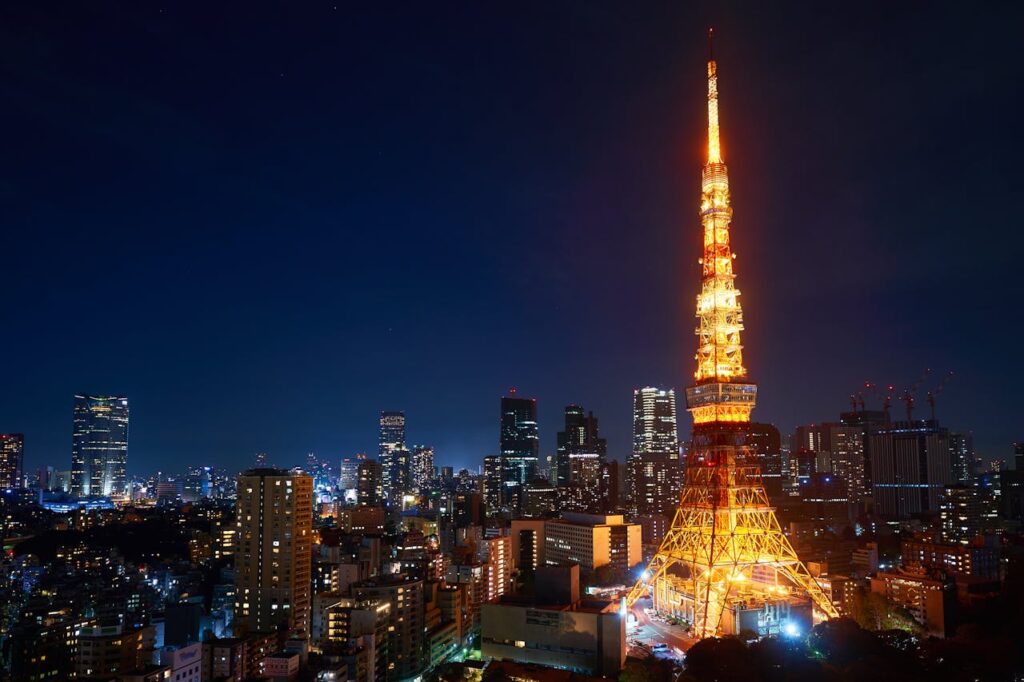
Tokyo is usually the first stop mentioned in any Japan travel guide for first time traveller, because the city perfectly represents the mix of modern and traditional culture that Japan is famous for.
Some of the most iconic places to explore in Tokyo include:
Shibuya Crossing
Known as the busiest pedestrian crossing in the world, Shibuya Crossing is a symbol of Tokyo’s vibrant energy.
Senso-ji Temple
Located in Asakusa, this historic Buddhist temple is one of the oldest in Tokyo and offers a glimpse into Japan’s spiritual heritage.
Tokyo Skytree
This towering structure offers incredible panoramic views of the city.
Tokyo is also famous for its food scene, from sushi restaurants to ramen shops and traditional Japanese street food.
For official travel information about Tokyo.
Kyoto Temples
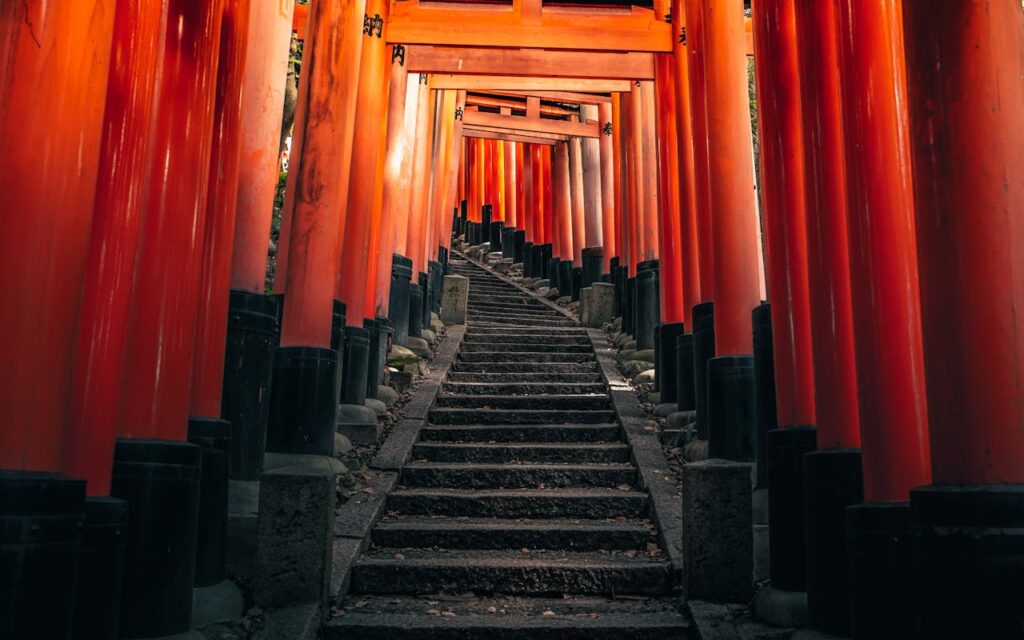
For anyone following a Japan travel guide for first time traveller, Kyoto is an essential destination because it showcases Japan’s rich cultural heritage and historic temples.
Kyoto was Japan’s imperial capital for over 1,000 years and remains one of the most culturally rich destinations in the country.
Some must-visit temples include:
Fushimi Inari Shrine
Famous for its thousands of bright red torii gates that form a pathway up the mountain.
Kinkaku-ji (Golden Pavilion)
One of the most photographed temples in Japan, known for its gold-covered exterior reflected in a peaceful pond.
Kiyomizu-dera Temple
A UNESCO World Heritage site that offers breathtaking views of Kyoto.
Walking through Kyoto feels like stepping back in time, with traditional wooden houses, tea shops, and quiet temple gardens.
Learn more about Kyoto tourism.
Japan Travel Costs
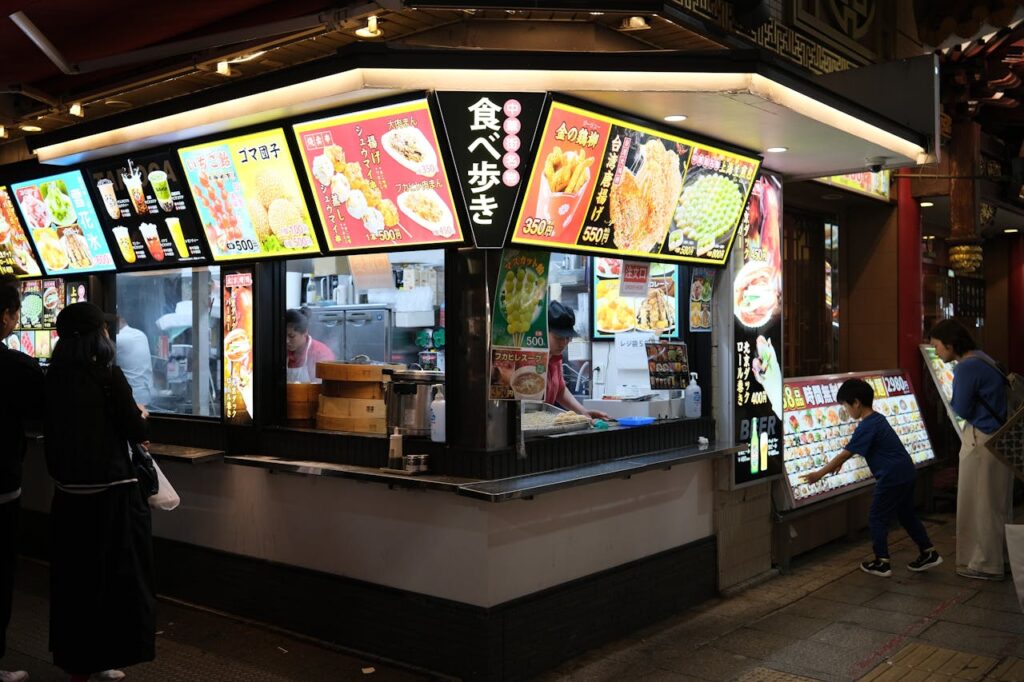
One of the biggest questions in any Japan travel guide for first time traveller is how expensive the country is for tourists.Japan has a reputation for being expensive, but with proper planning, it can be surprisingly manageable for travelers.
Here is a general breakdown of travel costs for first-time visitors:
Accommodation
Budget hostels: $25–$40 per night
Mid-range hotels: $80–$150 per night
Luxury hotels: $200+
Food
Street food and casual restaurants: $8–$15
Mid-range restaurants: $20–$40
Transportation
The Japan Rail Pass can save money if you plan to travel between cities.
You can check JR Pass information here: Japan Rail Pass
Many travelers also combine Japan trips with other Asian destinations.
Transportation Tips in Japan
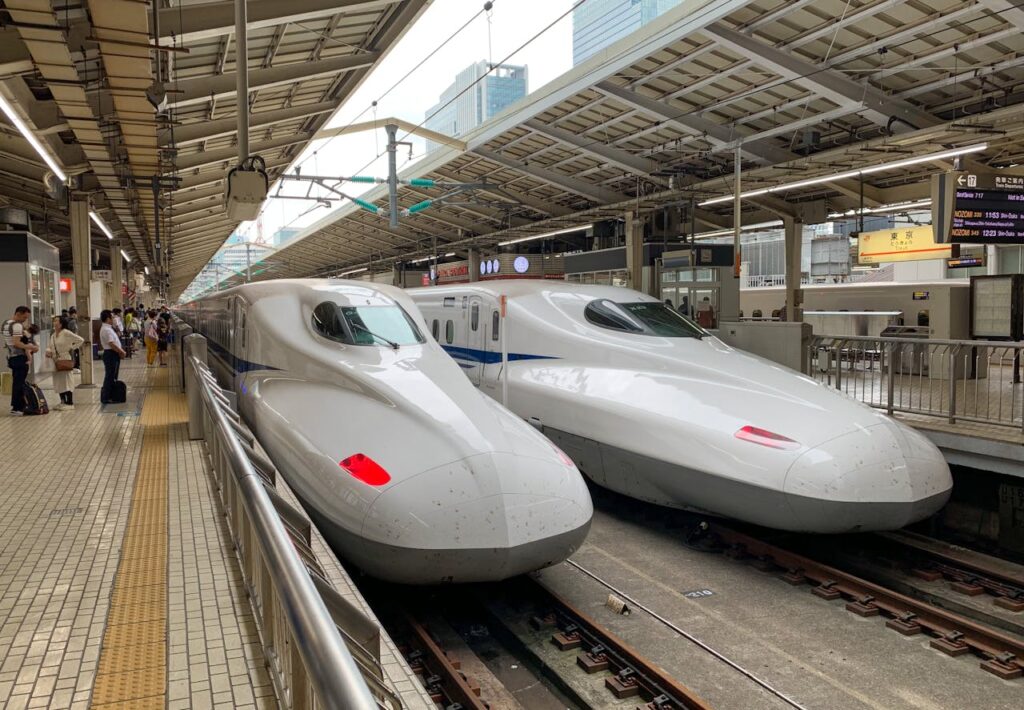
Transportation can feel intimidating at first, but this Japan travel guide for first time traveller explains how easy it is to navigate trains and bullet rail systems. Japan’s transportation system is one of the most efficient in the world.
The country is famous for its high-speed Shinkansen bullet trains, which connect major cities quickly and comfortably.
Key tips for navigating Japan:
Get a Suica or Pasmo card
These prepaid travel cards make it easy to use trains, buses, and subways.
Use the Japan Rail Pass
Ideal for travelers visiting multiple cities.
Download Google Maps
Google Maps works extremely well in Japan for public transport directions.
Japan’s train system is known for being punctual and extremely organized.
If you’re planning long-term travel across multiple countries.
Tips for First-Time Travelers in Japan
If this is your first time visiting Japan, these simple tips can make your trip smoother:
• Carry cash since some small restaurants don’t accept cards.
• Learn a few basic Japanese phrases.
• Respect local customs such as removing shoes indoors.
• Avoid talking loudly on public transportation.
Japan is known for being extremely safe and welcoming to travelers.
When Is the Best Time to Visit Japan?
Japan is beautiful year-round, but some seasons are especially popular.
Spring (March – April)
Cherry blossom season makes parks and temples incredibly scenic.
Autumn (October – November)
Fall foliage creates stunning landscapes across Kyoto and Tokyo.
Winter
Great for visiting Japan’s famous ski resorts.
Frequently Asked Questions About Visiting Japan
1. Is Japan good for first-time travelers?
Yes, Japan is an excellent destination for first-time travelers. The country is known for its safety, clean cities, reliable public transportation, and welcoming culture. Even though the language may seem challenging at first, most major tourist areas provide English signs and helpful information for visitors.
2. How many days are enough for a first trip to Japan?
A typical first-time visit to Japan usually lasts 7 to 10 days. This allows travelers to explore major destinations such as Tokyo, Kyoto, and Osaka while also experiencing cultural highlights like temples, street food, and scenic landscapes.
3. Is Japan expensive for tourists?
Japan can be moderately expensive compared to some Asian countries, but it is still manageable with proper planning. Budget travelers can reduce costs by staying in hostels, eating at local restaurants, and using transportation passes such as the Japan Rail Pass.
4. What is the best time to visit Japan?
The best times to visit Japan are spring (March–April) during cherry blossom season and autumn (October–November) when colorful fall foliage appears across the country. These seasons offer beautiful scenery and comfortable weather for sightseeing.
5. Do tourists need a visa to visit Japan?
Many travelers from countries such as the United States, Canada, and most European nations can visit Japan without a visa for short stays. However, visa requirements vary by nationality, so it’s always best to check official immigration websites before traveling.
Japan for Digital Nomads and Remote Workers
Although Japan has traditionally been more expensive than many Asian countries, it is becoming increasingly attractive for remote workers and digital nomads.
Cities like Tokyo, Osaka, and Kyoto offer world-class infrastructure, extremely reliable internet, and a safe living environment. Japan’s café culture also makes it easy to work remotely while exploring the city.
In recent years, Japan has introduced policies aimed at attracting international professionals, including programs that support remote workers and entrepreneurs.
For remote professionals who value efficiency, safety, and cultural depth, Japan can be an inspiring place to work while traveling.
If you’re planning to build a location-independent career.
Internet and Remote Work Infrastructure
Japan has some of the fastest internet speeds in the world. Major cities offer reliable fiber connections and many coworking spaces.
Popular coworking spaces include:
WeWork Tokyo
Impact Hub Tokyo
The Hive Jinnan
You can explore coworking options in japan.
Reliable internet and transportation make Japan one of the most convenient destinations for remote professionals.
Final Thoughts
Japan offers one of the most unique travel experiences in the world. From the neon lights of Tokyo to the historic temples of Kyoto, every part of the country reveals something new and fascinating.
For first-time visitors, Japan may seem complex at first, but once you understand the culture and transportation system, traveling here becomes incredibly rewarding.
Whether you’re exploring ancient temples, tasting authentic Japanese cuisine, or riding the famous bullet trains, Japan is a destination that leaves a lasting impression on every traveler.
If you’re interested in exploring more destinations across Asia.